what is OEM? OEM stands for Original Equipment Manufacturer: a company that produces parts or finished products that another company sells under its own brand. If you have ever asked what does OEM stand for and why suppliers keep mentioning it, the short answer is that it describes who designs, who makes and who brands a product.
For wholesale distributors, construction hardware importers and contractors, this is more than vocabulary. The OEM model decides who owns the design, who controls quality and how much margin stays in your business. This guide explains what OEM means, how the OEM process works, how it differs from ODM and private label, and what to check before you choose an OEM supplier.
| Quick answer
OEM stands for Original Equipment Manufacturer. In manufacturing and sourcing, an OEM produces goods to another company’s design and specifications, and that company sells them under its own brand. The buyer owns the design and the brand. The OEM supplies the production capability. |
What Is OEM? A Clear Definition
What is OEM in plain terms? It is a business arrangement in which one company makes a product and another company puts its name on it and takes it to market. The manufacturer contributes machines, processes and skilled labor. The brand owner contributes the design, the market access and the customer relationship.
Neither side needs to do the other’s job. The brand owner avoids building and running a factory. The manufacturer avoids building a brand and a distribution network in every market it serves.
What Does OEM Stand For?
What does OEM stand for? The letters stand for Original Equipment Manufacturer. The term first described companies that supplied components installed in another company’s end product, such as an engine maker supplying a vehicle brand. Over time its meaning widened. Today it also describes contract factories that build complete products to a client’s specification.
Because the meaning has shifted, the same acronym can point to two different parties. In the automotive and electronics aftermarket, “OEM parts” usually means parts from the original brand or its approved supplier. In global sourcing, an “OEM factory” is the manufacturer producing for a buyer’s brand. When you discuss OEM with a supplier, confirm which meaning both sides are using.
A Simple OEM Example
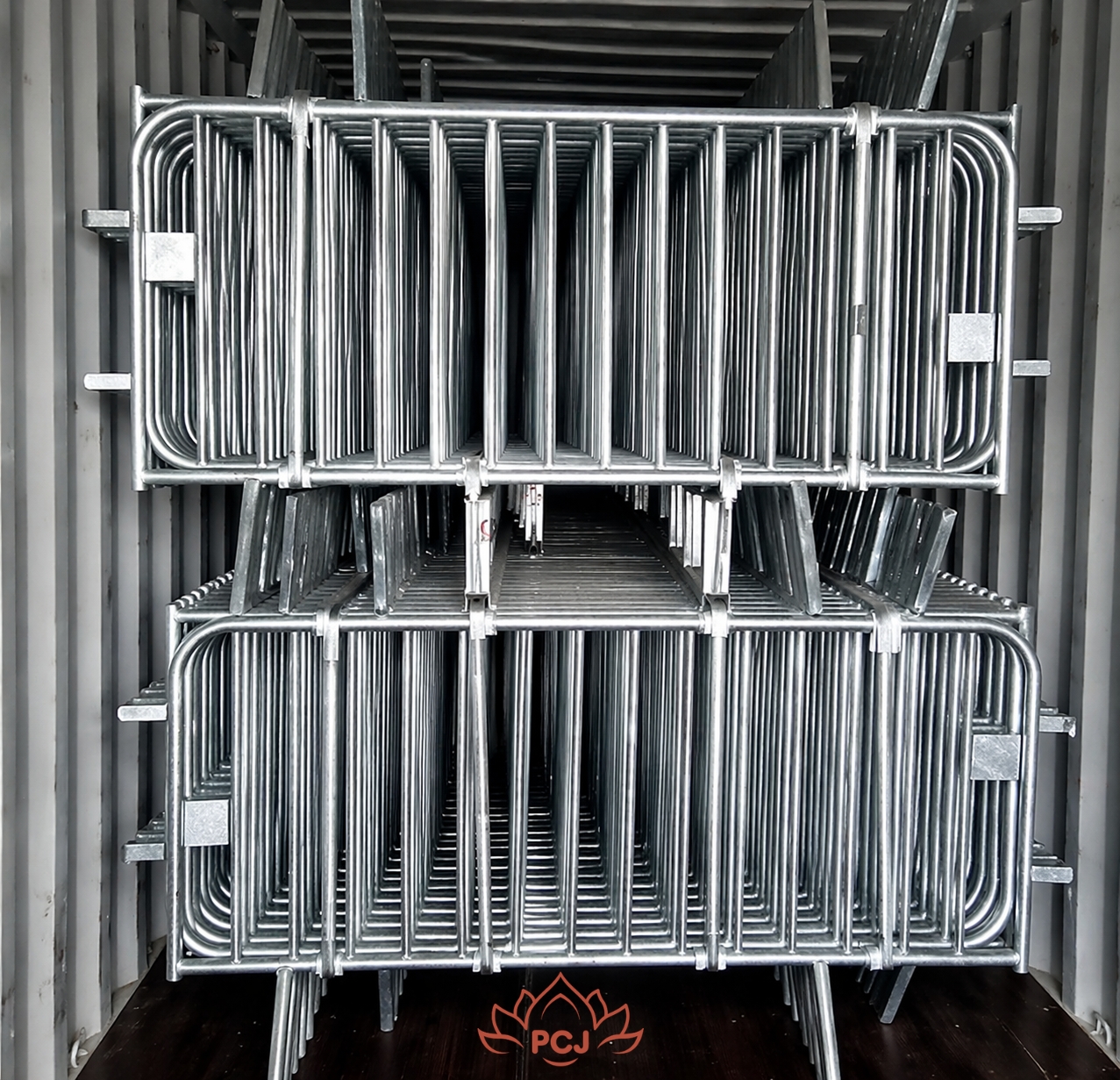
An Australian fencing distributor sells tubular fence panels under its own label. It sends a fabricator in Vietnam the drawings, the steel grade, the hot dip galvanizing standard and the packaging artwork. The fabricator produces, inspects, labels and ships the panels. The end customer only sees the distributor’s brand.
In this arrangement, the distributor is the brand owner and the fabricator is working on an OEM basis.
OEM: What It Means for B2B Buyers Today
Search online and you will find OEM explained through laptops, car parts and software licenses. In industrial supply chains, the practical meaning is narrower and more useful: OEM is a way to own a product line without owning a factory.
For B2B buyers, an OEM arrangement typically delivers three types of control:
- Control of the specification. You define dimensions, material grade, finish and tolerances.
- Control of the brand. Products ship with your logo, part numbers and packaging.
- Access to capacity. You use the supplier’s equipment, workforce and certifications instead of investing in your own.
That is why what is OEM is often the first question asked by distributors who want to move from reselling other brands to building their own.
How OEM Manufacturing Works, Step by Step
Once you know what is OEM, the next question is how a project actually runs. Most OEM projects follow a similar path, whether the product is a fence post or a precast lifting anchor. Knowing the stages helps you plan lead times and spot gaps early.
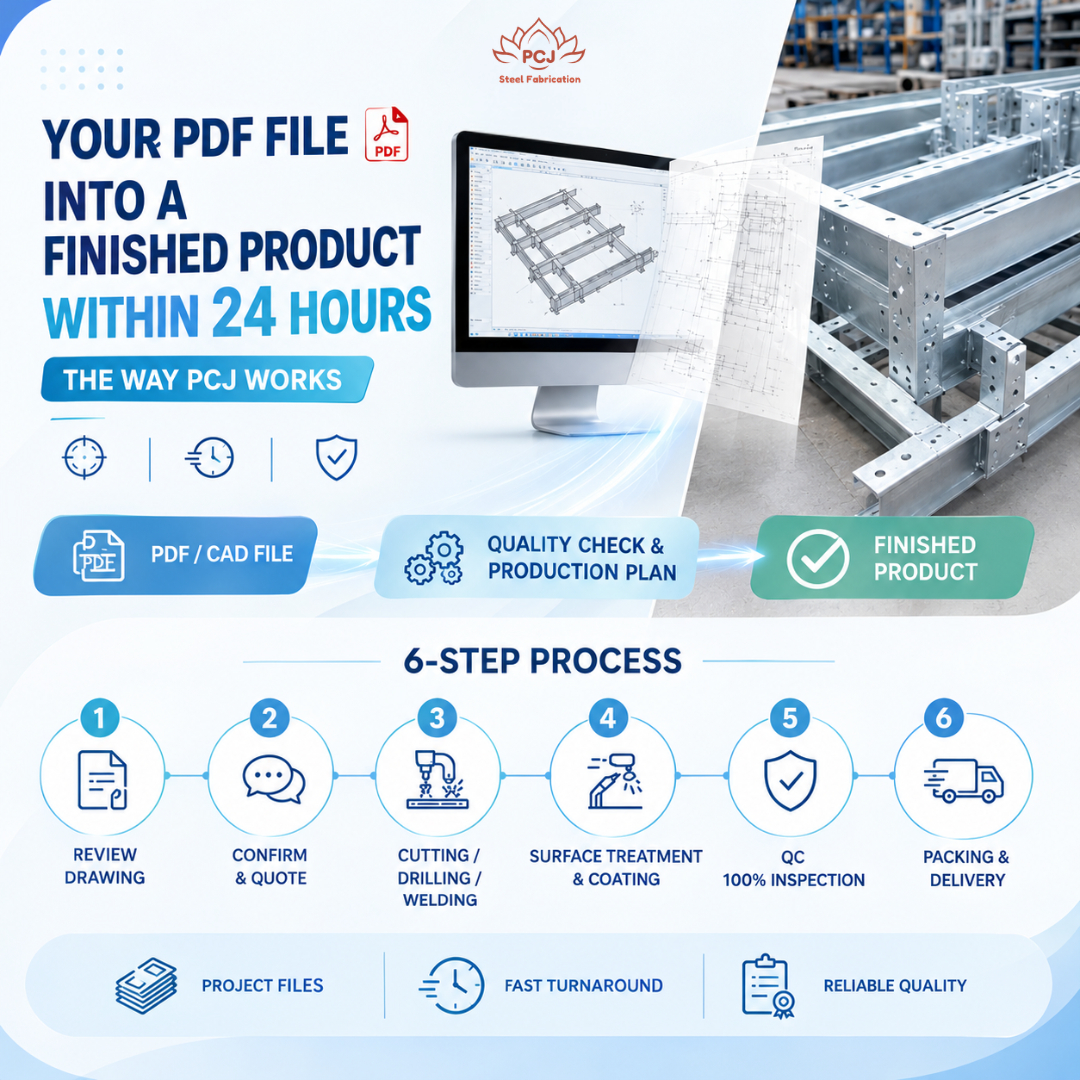
- Inquiry and RFQ. The buyer shares drawings, quantities, target markets and required standards. A capable OEM supplier asks questions before it quotes.
- Engineering review. The supplier checks manufacturability, suggests material or process adjustments and flags tolerances that add cost without adding value.
- Quotation and terms. Price, MOQ, lead time, Incoterms, payment terms and IP ownership are agreed in writing.
- Sampling and approval. First samples are produced and checked against the drawing. The buyer approves or requests revisions before mass production.
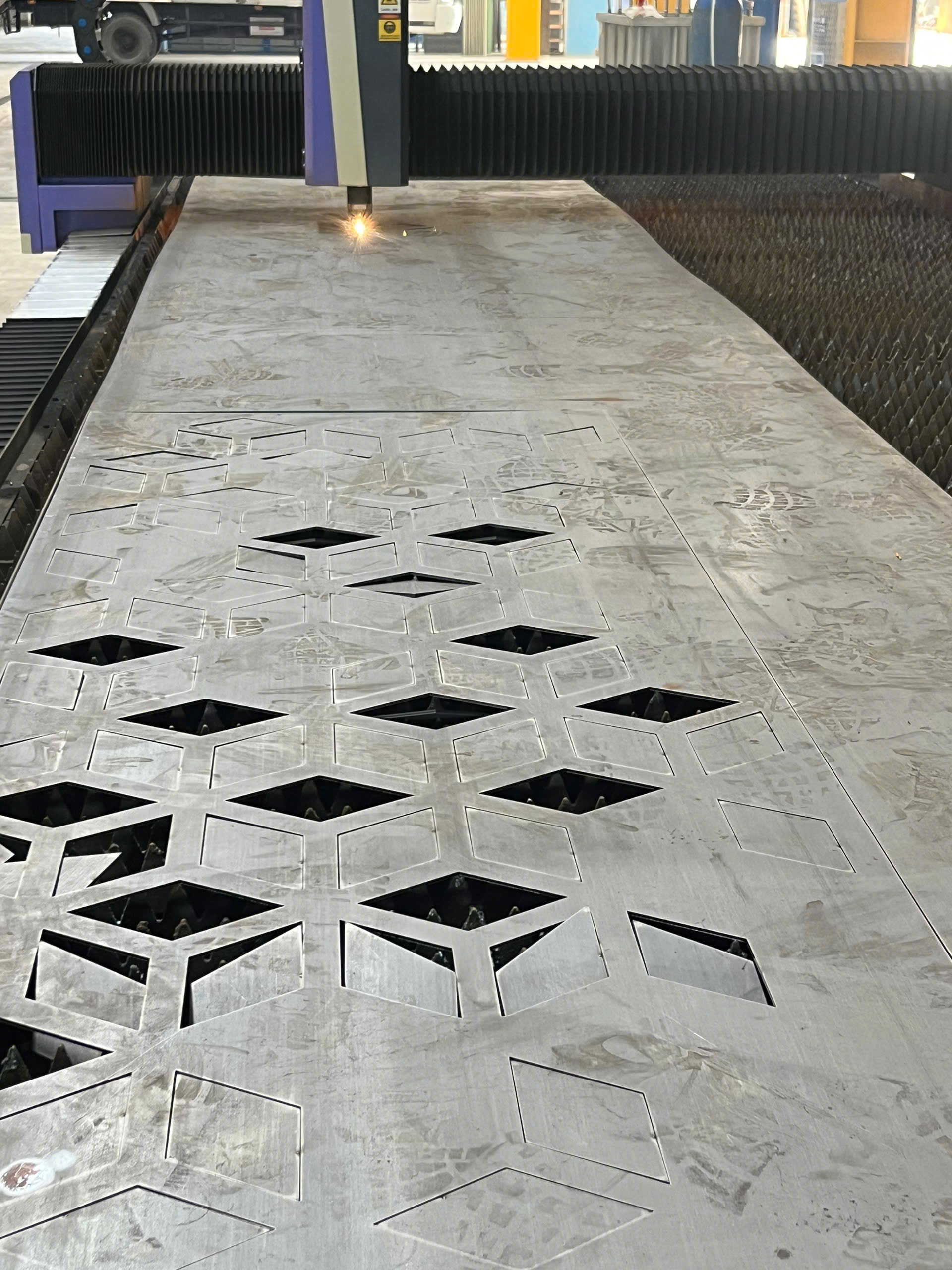
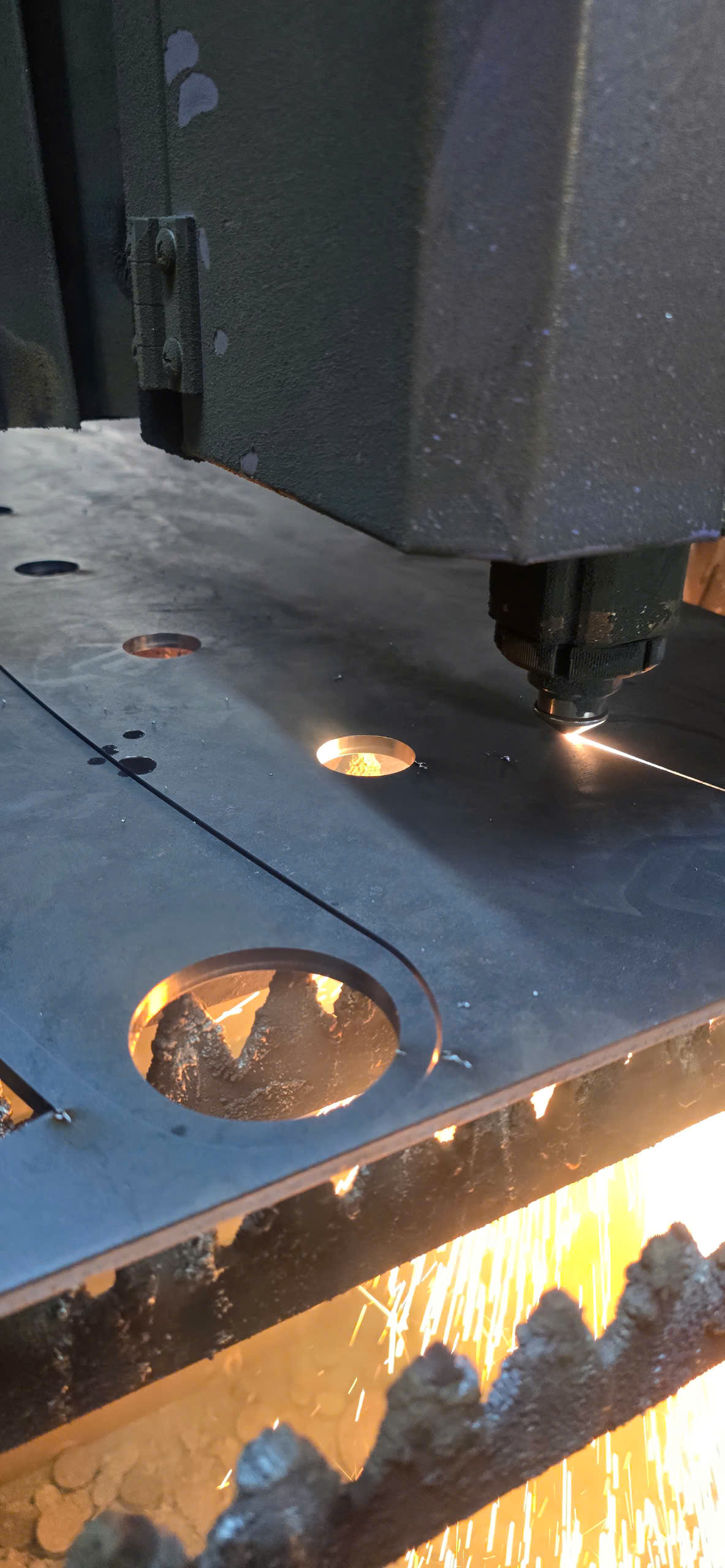
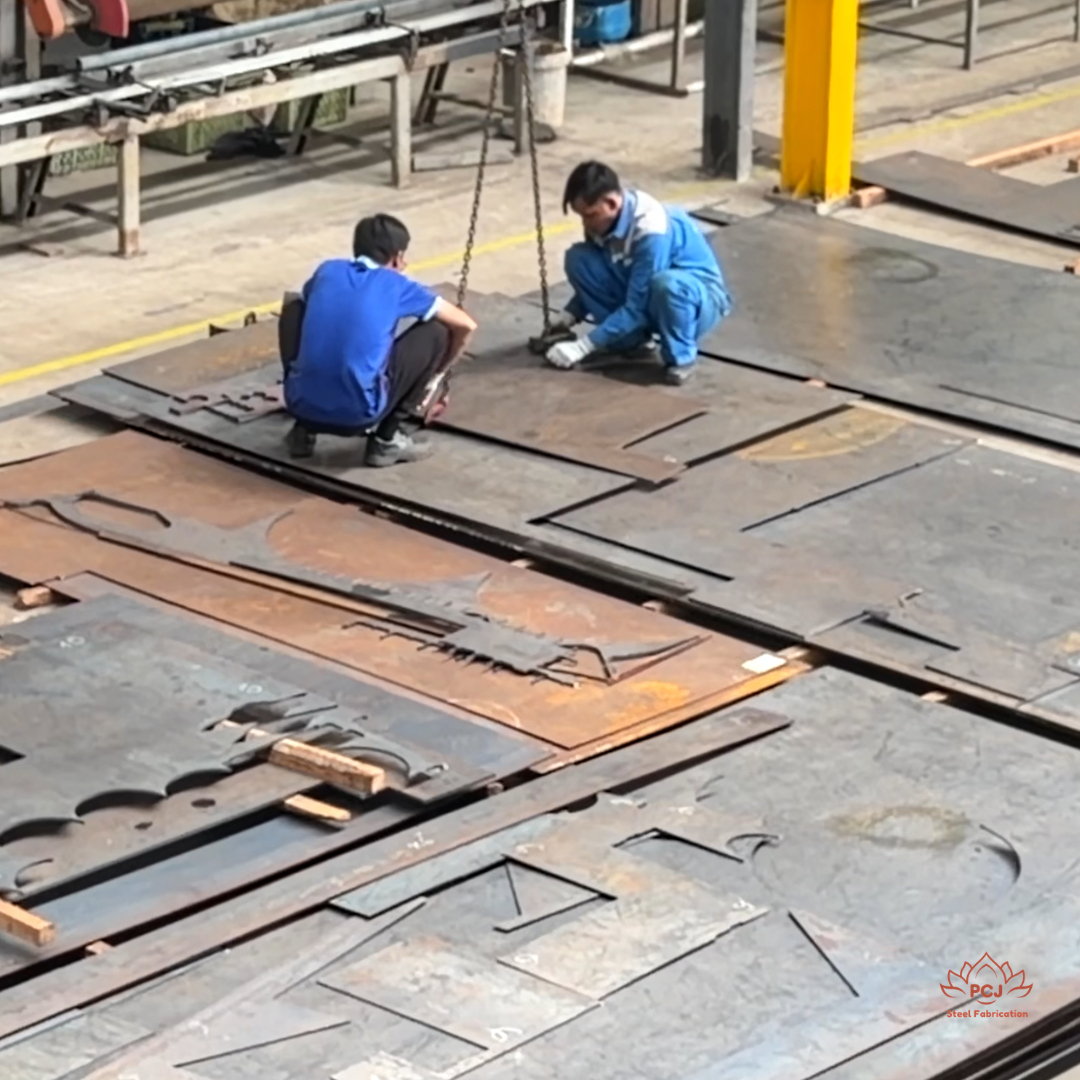
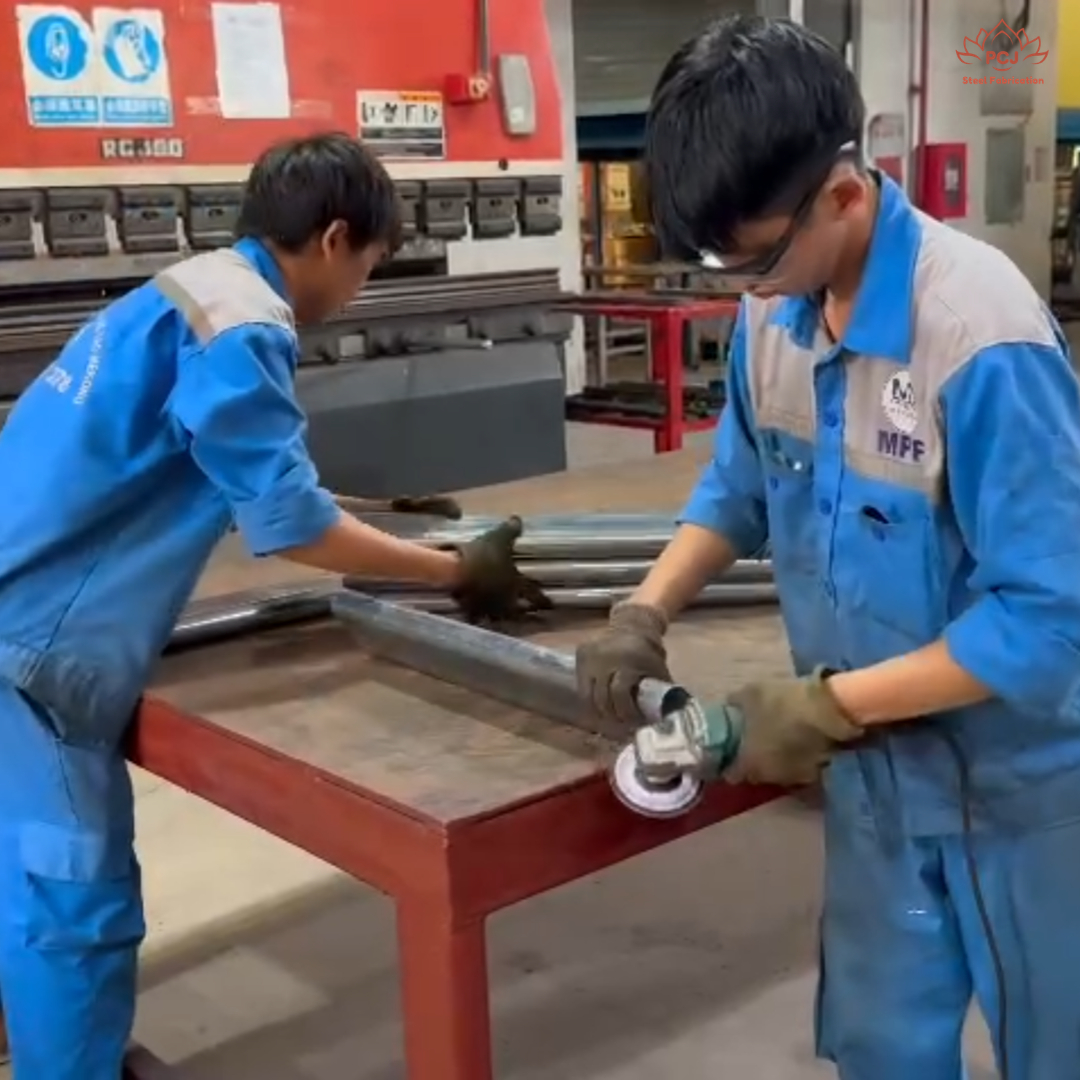
- Mass production. Cutting, forming, machining, welding and surface treatment follow the approved sample and process plan.
- Quality control. Dimensional checks, weld inspection, coating thickness and load tests are carried out and documented.
- Packing, labeling and shipping. Goods are packed in the buyer’s branding, marked for traceability and shipped under the agreed Incoterms
| Have drawings ready?
Send them to the PCJ engineering team for a manufacturability review and quotation. Request an OEM quote |
OEM vs ODM vs OBM vs Private Label vs Aftermarket
The answer to what is OEM becomes clearer when you compare it with the models it is often confused with.
| Model | Who designs it | Whose brand | Best suited to |
|---|---|---|---|
| OEM (Original Equipment Manufacturer) | The buyer | The buyer | Buyers with their own drawings, specifications or approved designs |
| ODM (Original Design Manufacturer) | The manufacturer | The buyer | Buyers who want a ready design and faster time to market |
| OBM (Original Brand Manufacturer) | The manufacturer | The manufacturer | Factories selling their own branded range |
| Private label | Usually the manufacturer (standard item) | The buyer | Resellers adding their label to an existing catalog product |
| Aftermarket | A third party | A third party | Replacement or compatible parts not made by the original brand |
The key difference between OEM and ODM is design ownership. Under OEM, the intellectual property in the design generally stays with the buyer. Under ODM, the manufacturer often keeps ownership of the base design and allows the buyer to brand it. Always confirm this in your contract rather than assuming.
Benefits of OEM for Distributors and Importers
For businesses that sell steel products but do not make them, OEM offers clear commercial advantages:
- Lower capital investment. There is no factory, machinery or certification cost to carry on your balance sheet.
- Faster market entry. An experienced OEM partner already has the processes, tooling and material supply in place.
- Stronger margins. Selling under your own brand usually allows better pricing control than reselling a third party brand.
- Product differentiation. Custom dimensions, finishes and packaging let you compete on fit for purpose, not on price alone.
- Scalability. Volumes can grow with demand without adding fixed costs.
Common OEM Risks and How to Control Them
OEM works well when risks are managed from the first inquiry. These are the issues buyers raise most often, and the controls that address them.
| Risk | What it looks like | How to control it |
|---|---|---|
| Quality drift | Later batches no longer match the approved sample | Retained golden samples, written inspection plans, third party inspection, mill certificates |
| IP leakage | Your design appears in another supplier’s catalog | NNN agreement, clear IP clause, supplier reference checks |
| Communication gaps | Drawings misread, wrong finish or wrong unit system | Engineering review, sample sign off, one named project contact |
| Hidden costs | Tooling, packaging or price adjustments appear after the order | Itemized quotation, agreed Incoterms, steel price adjustment clause |
| Delivery delays | Missed vessel bookings and site schedules | Production schedule with milestones, regular progress updates, realistic lead times |
What OEM Looks Like in Steel Fabrication
In steel, what is OEM in practice? It is rarely a single part. Buyers usually source a family of related components that must fit together on site and meet a specific market standard.
Typical OEM steel products include:
- Fencing and barrier components: fence posts, Z balusters, tension bands and brace bands, pedestrian barriers.
- Site protection: protection bollards for warehouses, car parks and loading docks.
- Concrete accessories: J type rebar nails, bar chairs, dowel bars and dowel cradles.
- Precast hardware: flat lifting anchors, dog bone lifting anchors from 1T to 20T, lifting sockets and rebar couplers.
- Structural connections: base plates, gusset plates, connection plates and anchor bolts from M16 to M48.
- Solar mounting steel: galvanized beam posts, CHS and SHS sections, C and Z purlins.
What separates a reliable OEM steel supplier is the ability to hold one specification across thousands of pieces. That means controlled material grades such as SS400, A36, A572 Grade 50 or S355, consistent welding to AWS D1.1, and hot dip galvanizing to ASTM A123, ISO 1461 or AS/NZS 4680, depending on the destination market.
How to Choose an OEM Partner: A Buyer’s Checklist
Understanding what is OEM is the easy part. Choosing the right partner is where projects succeed or fail. Before you sign, ask these questions:
- Can you show products similar to mine that you have made for export markets?
- Which standards do you work to, and can you provide mill certificates and test reports?
- Who reviews my drawings, and will you suggest design or cost improvements?
- What are your MOQ, sample lead time and production lead time?
- How do you inspect parts, and can a third party inspector attend?
- Who owns the tooling and the design files?
- Can you pack and label to my brand, barcode and market requirements?
A supplier that answers clearly and in writing is usually a supplier that produces consistently.
Why Buyers Are Looking at Vietnam for OEM Steel Products
Many buyers in Australia, Europe and Southeast Asia are spreading their sourcing across more than one country. Vietnam has become a serious option for OEM steel fabrication for several reasons:
- A growing base of export oriented steel fabricators with experience in international standards.
- Competitive production costs for labor intensive work such as welding and finishing.
- Trade agreements including CPTPP, EVFTA and RCEP, which can reduce import duties on qualifying goods subject to rules of origin.
- Direct shipping routes to Australian, European and ASEAN ports.
As with any sourcing country, results depend on the individual factory. Visit, audit and sample before you scale.
OEM Steel Fabrication with PCJ Steel
PCJ Steel Processing is a Vietnamese steel fabricator producing OEM and custom steel products for distributors, importers and contractors. With a head office in Ho Chi Minh City and a fabrication facility in the Mekong Delta, PCJ supports the full OEM cycle: drawing review, sampling, production, surface treatment and export packing.
What buyers can expect when working with PCJ:
- Engineering review of drawings before quotation.
- Production to buyer specifications in both metric and imperial sizes.
- Material grades including Q235, SS400, A36, Q355, A572 and S355.
- Finishes including plain, painted, electro galvanized, hot dip galvanized and powder coated.
- Quality management aligned with ISO 9001, with galvanizing to ASTM A123, ISO 1461 or AS/NZS 4680.
- Custom branding, labeling and packaging for your market.
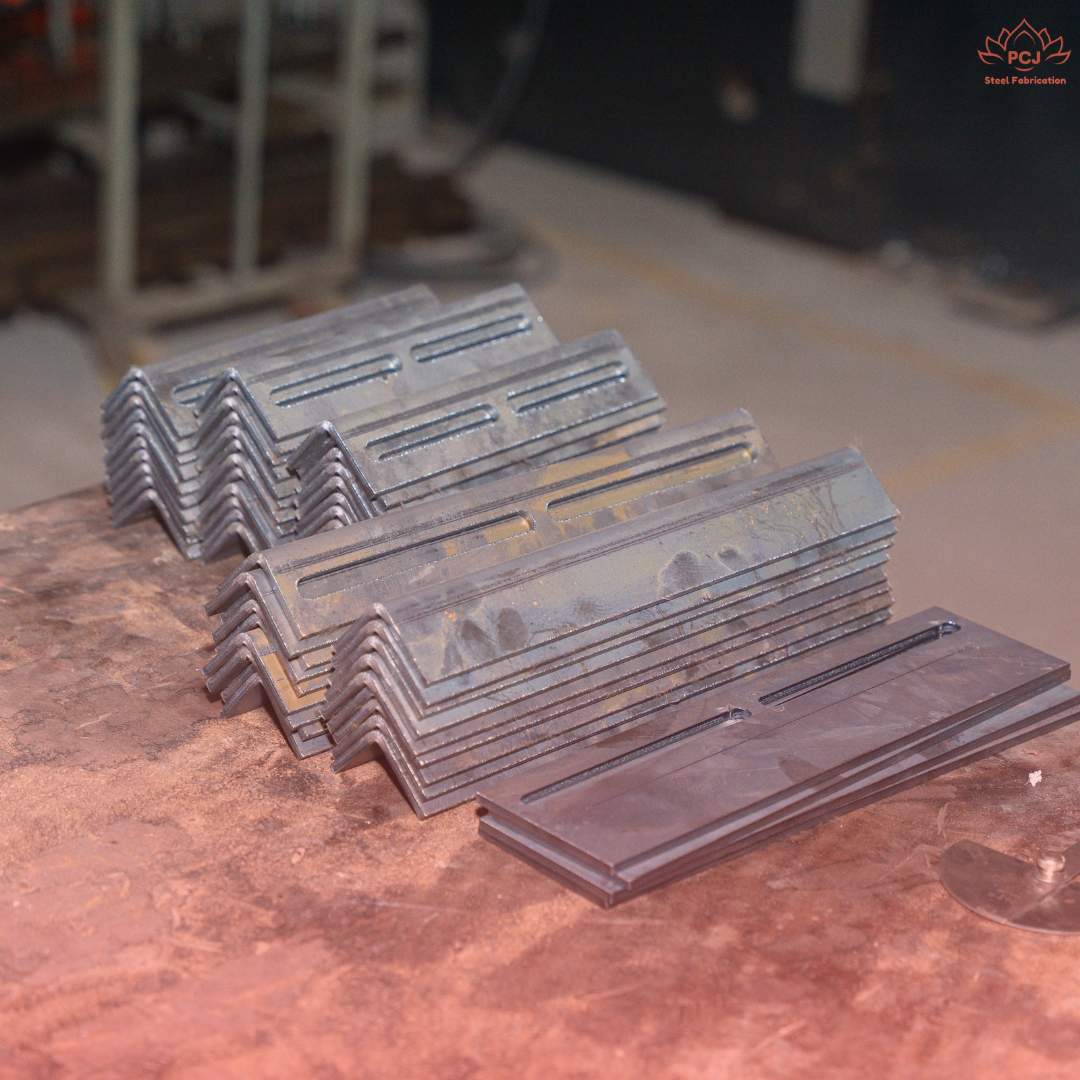
| Ready to build your own product line?
Send your drawings or a sample photo to PCJ. Our team will review the specification and reply with a quotation and sampling plan. Contact PCJ |
FAQ About OEM
What does OEM stand for?
OEM stands for Original Equipment Manufacturer, a company that makes products or components that another company sells under its own brand.
What is OEM in simple terms?
What is OEM in one sentence? It is a manufacturer that builds your product to your design, so you can sell it under your brand without owning a factory.
Does OEM mean genuine?
In the automotive and electronics aftermarket, OEM parts usually come from the original brand or its approved supplier, so buyers often treat them as genuine. In contract manufacturing, OEM describes the production arrangement, not a quality grade.
What is the difference between OEM and ODM?
With OEM, the buyer provides the design. With ODM, the manufacturer provides the design and the buyer brands it. Design ownership is the main difference.
What is an OEM software license?
It is software licensed for preinstallation on new hardware, typically tied to that device and not transferable to another one.
What is MOQ in OEM manufacturing?
MOQ is the minimum order quantity a manufacturer will accept for a custom product. In steel fabrication it depends on tooling, material lots and surface treatment batches.
Who owns the design in an OEM agreement?
Usually the buyer, but ownership of drawings, tooling and design changes should always be written into the contract.
Conclusion
So, what is OEM? It is the model that lets your brand own the product while a specialist manufacturer delivers the production. Done well, OEM gives you control over specification, brand and margin without the cost of building a factory.
The deciding factor is the partner. Choose PCJ Steel Processing that reviews your drawings, documents its quality and communicates clearly from the first sample to the final shipment.
| Talk to an OEM steel fabrication partner
PCJ Steel helps distributors and importers turn drawings into branded, export ready steel products. Request an OEM quote today. |
Contact PCJ Steel Processing
PCJ Steel Processing Co., Ltd.
Address: No. 17 Street 9, Van Phuc Urban Area, Hiep Binh Ward, Ho Chi Minh City, Vietnam
Tel: +84 28 3620 1768
- Custom Steel Fabrication | Tailored Solutions for Every Project Requirement
- B2B Steel Buyer Evaluation | Fabricator Assessment Guide – PCJ Steel
- Custom Metal Stamping Services in Vietnam
- How PCJ FABRICATION Connects Steel Processing with Sustainability and Environmental Care
- Steel Processing Company | What Services to Expect and How PCJ Delivers